
Did you know that over 90% of music submissions to DJs get ignored because they're sent to the wrong genre specialists? The DJ landscape spans dozens of distinct musical styles, each with dedicated audiences and specific technical requirements. Understanding these genres isn't just helpful, it's essential for getting your music heard by the right people.
Whether you're producing electronic dance music, hip-hop beats, or indie rock anthems, targeting the wrong DJs wastes your time and theirs. This guide breaks down the major DJ genres, explains what makes each unique, and shows you exactly how to match your music with DJs who'll actually want to play it.
The DJ Genre Landscape: What You Need to Know
The modern DJ scene operates across multiple distinct categories, each requiring different skills, equipment, and audience understanding. Electronic Dance Music (EDM) dominates with roughly 60% of all DJ performances, but hip-hop, pop, and traditional genres maintain strong followings in specific venues and markets.
Your success depends on understanding these distinctions. A techno DJ spinning 130 BPM tracks in underground clubs operates completely differently from a wedding DJ mixing top 40 hits. The equipment, mixing techniques, and audience expectations vary dramatically between genres.
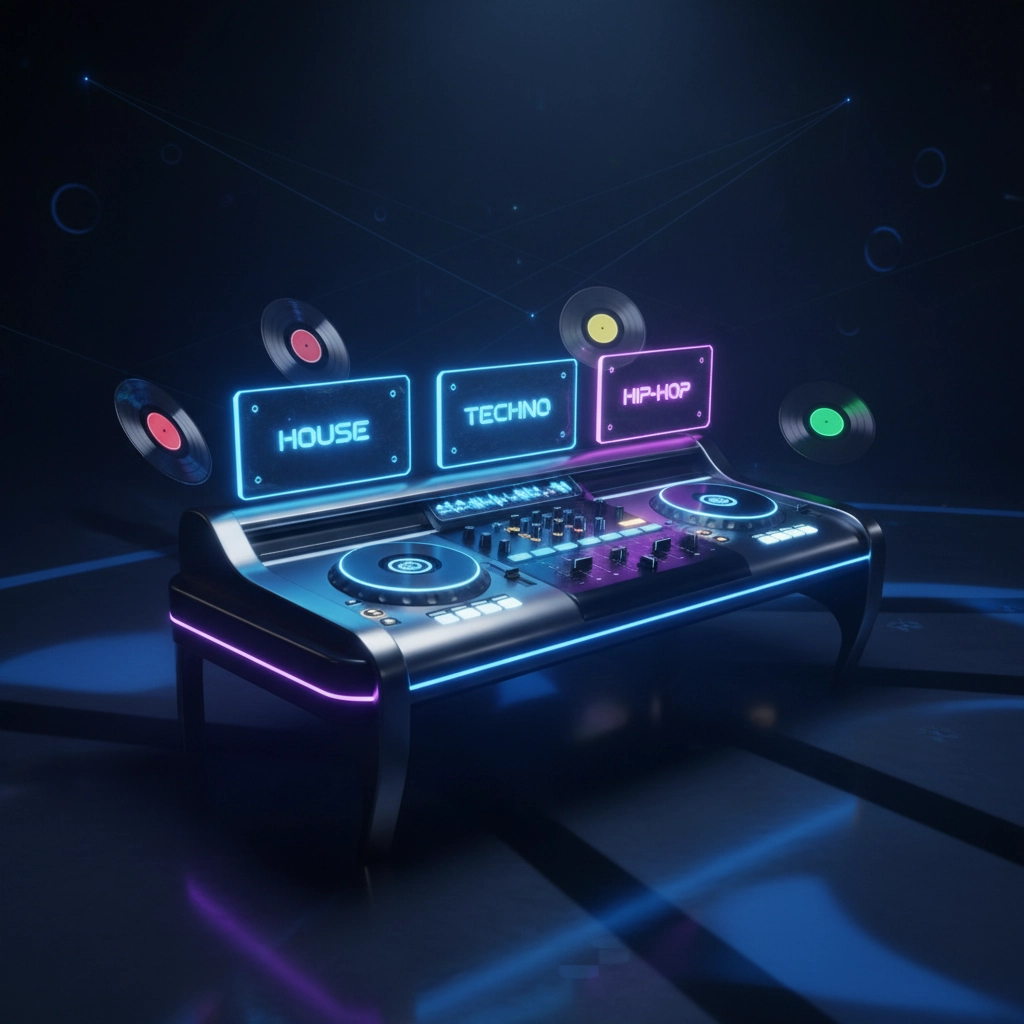
Electronic Dance Music: The DJ Powerhouse
House Music: The Foundation Genre
House music remains the most accessible entry point for new DJs, with its predictable 120-128 BPM tempo and straightforward four-on-the-floor beat structure. Originating in Chicago during the 1980s, house music features:
- Consistent kick drum on every beat
- Off-beat hi-hats and snares on beats 2 and 4
- Extended intros and outros designed for seamless mixing
- Vocal samples and melodic elements that build energy
Deep house represents the more sophisticated cousin of traditional house, incorporating jazz influences and atmospheric elements. If your music features smooth basslines, subtle percussion, and ambient textures, deep house DJs should be your primary targets.
Techno: The Underground Authority
Techno DJs command some of the most dedicated audiences in electronic music. With tempos ranging from 120-150 BPM, techno emphasizes repetitive rhythms and industrial sounds designed for extended dance sessions. Key characteristics include:
- Minimalist arrangements focusing on rhythm over melody
- Dark, industrial soundscapes with synthetic textures
- Gradual progression allowing for hour-long DJ sets
- Underground club culture with highly knowledgeable audiences
Techno DJs typically perform in dedicated electronic music venues and festivals, making them ideal targets for producers creating harder, more experimental electronic music.
Trance: The Emotional Journey
Trance music operates in the 128-140 BPM range and focuses on emotional buildups and euphoric releases. This genre produces more internationally recognized DJ superstars than any other electronic category. Trance DJs look for:
- Uplifting melodic progressions that create emotional peaks
- Breakdown sections allowing for seamless transitions
- Atmospheric pads and sweeping synthesizer work
- Epic buildups leading to energetic drops
Progressive trance moves slower and focuses on gradual development, while uplifting trance emphasizes immediate emotional impact.

Drum & Bass: The Technical Challenge
Drum & Bass DJs work with some of the most technically demanding music in electronic dance. Operating at 160-180 BPM, this genre requires precise timing and advanced mixing skills. Subgenres include:
- Liquid Drum & Bass: Smooth, jazzy melodies with driving beats
- Neurofunk: Dark, futuristic tones with complex basslines
- Jump-Up: Bouncy, bass-heavy tracks designed for peak-time energy
- Jungle: Rapid breakbeats with reggae and hip-hop influences
Drum & Bass DJs often specialize in specific subgenres, so understanding these distinctions helps you target the right specialists for your music.
Hip-Hop: The Cultural Foundation
Hip-hop DJs maintain a unique position in DJ culture, having essentially created modern DJing techniques through turntablism and scratching. Hip-hop accounts for approximately 25% of all DJ performances across clubs, bars, and events.
Hip-hop DJs typically focus on:
- Beatmatching skills for seamless transitions between tracks
- Scratching techniques adding live performance elements
- Crowd interaction and MC skills during performances
- Cultural knowledge of hip-hop history and underground scenes
If you're producing hip-hop beats, target DJs who understand the culture and can properly present your music to knowledgeable audiences.
Pop and Mainstream Genres
Radio and Event DJs
Pop music DJs work primarily in commercial radio and event settings, where audience familiarity trumps underground credibility. These DJs need:
- Radio-friendly content meeting broadcast standards
- Recognizable hooks that engage general audiences
- Clean versions for family-friendly events
- Current chart awareness to stay relevant
Wedding and corporate event DJs often blend pop with other mainstream genres, requiring versatile music collections.
Rock and Alternative
Rock DJs operate primarily in live music venues and alternative radio, focusing on both classic and contemporary rock music. They typically seek:
- High-energy tracks suitable for live performance venues
- Guitar-driven music appealing to rock audiences
- Alternative and indie content for specialized shows
- Live performance versions when available
Targeting Strategy: Matching Your Music to the Right DJs
Analyze Your Music's Characteristics
Before reaching out to any DJs, objectively analyze your music's genre placement:
Tempo (BPM): Measure your track's exact BPM, as DJs often organize music by tempo ranges
Energy Level: Determine if your music works for peak-time, warm-up, or cool-down sets
Vocal Content: Note whether tracks are instrumental, vocal, or contain explicit content
Cultural Context: Consider your music's cultural background and target audience
Research DJ Specializations
Most successful DJs specialize in 1-3 related genres rather than attempting to cover everything. Research potential targets by:
- Checking their recent playlists and social media content
- Reviewing venue types where they regularly perform
- Analyzing their follower demographics and engagement
- Studying their mixing style through recorded sets

Platform-Specific Targeting
Different DJ platforms attract different genre specialists:
Club DJs typically focus on electronic dance music and hip-hop
Radio DJs prioritize mainstream pop, rock, and country music
Festival DJs often specialize in high-energy electronic or alternative genres
Online/Streaming DJs may explore niche genres with dedicated followings
Genre-Specific Outreach Strategies
Electronic Music Submissions
Electronic music DJs receive hundreds of submissions weekly, making genre-specific targeting crucial. Your approach should include:
- Exact BPM information in your initial communication
- Key signature details for harmonic mixing compatibility
- Subgenre classification (deep house vs. progressive house)
- Extended mix versions with proper intro/outro timing
Hip-Hop DJ Targeting
Hip-hop DJs value cultural authenticity and underground credibility. Successful outreach includes:
- Artist background information and scene connections
- Instrumental versions for mixing and scratching
- Acapella versions for creative DJ use
- Collaboration history with respected artists
Mainstream Genre Approach
Pop and rock DJs need commercially viable content with broad appeal. Focus on:
- Radio edit versions meeting broadcast standards
- Streaming performance data showing audience engagement
- Similar artist comparisons for context and positioning
- Cross-genre appeal potential for diverse playlists
Technical Considerations for DJ Submissions
Audio Quality Standards
DJs require high-quality audio files for professional use:
- 320kbps MP3 minimum for digital DJs
- WAV or AIFF files for maximum quality
- Proper mastering with consistent volume levels
- Clean intro/outros for seamless mixing
File Organization
Professional DJs appreciate organized submissions:
- Clear file naming with artist, title, and BPM
- Genre tags in metadata
- Release date information for scheduling
- Contact information embedded in files
Measuring Success and Building Relationships
Track Your Outreach Results
Monitor your DJ targeting success through:
Response rates by genre category
Playlist additions and play frequency
Venue bookings resulting from DJ support
Audience growth in targeted demographics
Building Long-Term DJ Relationships
Successful artists cultivate ongoing relationships with genre-appropriate DJs through:
- Regular communication about new releases
- Exclusive content for their top supporters
- Performance opportunities at DJ events
- Cross-promotion on social media platforms
The key to successful DJ targeting lies in understanding that each genre represents a distinct culture with specific expectations, technical requirements, and audience characteristics. By matching your music's genuine genre placement with DJs who specialize in that style, you'll dramatically increase your chances of getting played and building a sustainable fanbase.
Focus on developing relationships within your primary genre while remaining open to crossover opportunities. The most successful artists understand their music's authentic placement and consistently deliver content that DJs in their genre actually want to play.
